Introduction
Chronic pain is a prevalent clinical condition worldwide. In older adults, secondary chronic pain is the major cause of pain, with neurodegenerative and musculoskeletal conditions as the main underlying pathologies [1]. Chronic pain in older adults leads to diminished perceptions of health quality, deterioration of physical condition, reduced quality of life and social integration, depressive symptoms, and decreased self- efficacy. Several risk factors may increase the likelihood of an older adult developing chronic pain, which include obesity, female sex, peripheral vascular disease, and low back pain syndrome [2].
Additional factors, predominantly neurophysiological, can influence the development of chronic pain in older adults. These include: deterioration of sensory mechanisms, primarily related to alterations in neuroplasticity and top-down pain control mechanisms [3]; behavioural components, such as decreased self-efficacy and elevated catastrophising levels [4]; hormonal factors, particularly oestrogens [2–4]; and social determinants, such as an inadequate social support network [5].
The experience of pain in older adults can be influenced by neurobiological, psychological, and social factors. Pain perception changes as individuals age, with lower levels of catastrophising, and greater acceptance of their condition observed [2]. The loss of effectiveness of top-down control mechanisms, which can lead to sleep disturbances, anxiety, and depression [6], may also further modify this perception.
Several factors can aggravate pain in older adults. The deterioration of top-down pain control mechanisms, coupled with increased limbic activity, alters pain perception and the experience of pain in the elderly [7]. Furthermore, spinal neurons are more susceptible to damage during ageing; consequently, neuronal circuits that facilitate nociception may become perpetuated, impairing the effect of top-down pain control mechanisms [2–7].
Pharmacological interventions for chronic pain management in older adults focus on analgesics and antidepressants; however, the multiple comorbidities experienced by this population result in numerous adverse effects associated with these interventions [7].
Conversely, non-pharmacological interventions include support from a caregiver or a social or family support network, as older adults who live alone or lack caregiver or social support network have been observed to experience more pain than those who live with others [8]. Additional non-pharmacological interventions include emotional support or psychotherapy, progressive relaxation [2–7], and pain education, with the latter demonstrating positive effects on gait speed, disability reduction, and decreased fear of movement [9].
Exercise and the promoting physical activity represent another intervention approach for managing chronic pain in older adults. Numerous interventions have been described in this area, ranging from Tai Chi to resistance and strength exercise programs of light-to-moderate intensity [10]. While exercise can benefit chronic pain outcomes in older adults, particularly muscle strength, these effects are often associated with complementary interventions that significantly reduce pain; however, optimal dosage and specific mechanisms of action remain unclear [10].
Various types of exercise such as, low-intensity endurance exercise, high-intensity training, and muscle strengthening exercises have been shown to increase muscle strength in the lower extremities and lumbar spine and relieve pain in older adults [2–11].
The optimal dosage of exercise and its mechanisms of action on analgesia in older adults with chronic pain remain under investigation. While the beneficial effects of exercise on chronic pain have been documented, it remains unclear whether a specific type of exercise produces superior anal-gesic effects compared to others, or whether combination with complementary treatments can enhance effects on pain in older adults, generating longer-lasting effects across various variables such as functional capacity and quality of life. Consequently, the objective of this narrative review is to describe the effect of therapeutic exercise on chronic pain in older adults.
Subjects and methods
This narrative review was conducted following a structured methodology as detailed below.
Search strategy for study identification
The search strategy was developed considering the methodological quality criteria of the PEDro (Physiotherapy Evidence Database) scale, prioritising studies with robust experimental designs. Searches were conducted in the MEDLINE (via PubMed) and Web of Science databases.
The search syntax was limited to the title and abstract field, and the keywords were as follows: "Aged" OR "Older adults" OR "Geriatric population" AND "Chronic pain" OR "Widespread chronic pain" OR "Chronic primary pain" OR "Chronic secondary pain" OR "Persistent pain" AND "Exercise therapy" OR "Rehabilitation exercise" OR "Exercise therapies" OR "Physical activity" OR "Therapeutic exercise".
The search analysed English-language studies published from July 2020 to July 2025, with the final search update conducted on July 19, 2025. A five-year timeframe was established to ensure the inclusion of contemporary and methodologically rigorous studies reflecting current clinical practices in chronic pain management for older adults. This decision was based on the rapid evolution of non-pharmacological therapeutic strategies and the increasing incorporation of integrative approaches (such as therapeutic exercise and pain neuroscience education) in the treatment of persistent musculoskeletal pain. Furthermore, prioritising recent literature makes it possible to identify validated interventions supported by emerging technology or based on robust evidence, facilitating more direct translation to current clinical practice [12]. The search strategies are presented in the supplementary material additional (Table S1, supplementary materials).
Selection of studies
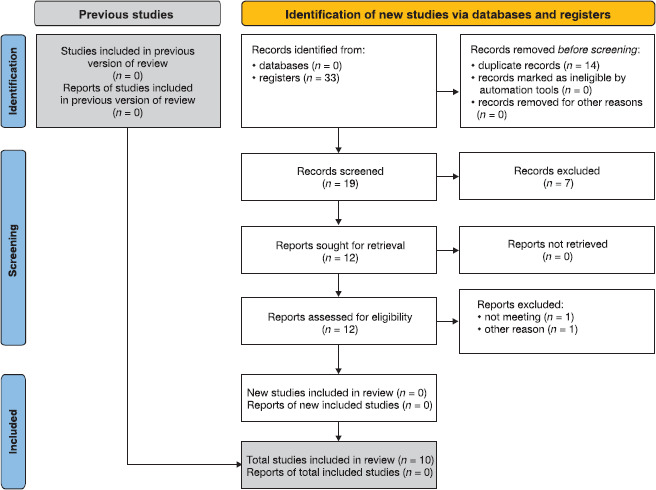
The selection of studies is illustrated in the PRISMA flowchart. We included randomised controlled trials (RCTs) that evaluated the effects of therapeutic exercise on chronic pain in older adults. Studies were selected through systematic screening of titles, abstracts, and full texts and were required to meet the eligibility criteria described in Table 1. We excluded quasi-experimental studies, observational designs, systematic reviews, conference proceedings, editorials, protocols, and unpublished theses. Only studies published in English between July 2020 and July 2025 and indexed in PubMed and Web of Science were considered; furthermore, only those reporting pain-related, functional, or psychosocial outcomes in older adult populations were included.
Table 1
Selection criteria for the narrative review
Data extraction and literature search
We summarised the evidence from the included studies and presented relevant information in tables and figures. The PRISMA flowchart illustrates the selection process of the included studies (Figure 1). Of the 33 initially selected studies, we first eliminated duplicates using the Rayyan tool. Subsequently, based on adherence to our inclusion criteria, we analysed 10 studies.
Methodological quality assessment
The methodological quality of the RCTs was assessed using the PEDro scale, which consists of 11 dichotomous (yes/no) items. Each study was scored independently by two trained reviewers (JU, SJ). Discrepancies were resolved by consensus or, when necessary, by consulting a third reviewer (IC). Based on established criteria, high quality was defined as a score 8, moderate quality as 6–7, and low quality as 5.
Strategy for data synthesis
To ensure the methodological rigour of this narrative review, the SANRA (Scale for the Assessment of Narrative Review Articles) scale was applied [13]. This scale consists of six items that assess: justification of the topic, clarity of the objective, literature search, referencing, scientific reasoning, and data presentation. This review obtained the maximum score of 12 out of 12, indicating high methodological quality. The relevance of the topic was clearly justified, and a precise objective was formulated. The search strategy was detailed, including databases and selection criteria. The references used were current and relevant. The interpretation of the findings demonstrated consistent scientific reasoning, and relevant clinical data were adequately synthesised, using a narrative approach. The complete SANRA assessment is presented in supplementary material (Table S2, supplementary materials).
Results
Eight of the ten studies obtained PEDro scores of 6 or higher; three achieved scores 8, classifying them as high quality according to the PEDro scale. The items most frequently rated negatively were the blinding of the therapist (item 5) and the evaluator (item 6) (Table 2).
Table 2
Methodological quality assessment (PEDro)
| Author (year) | 1 | 2 | 3 | 4 | 5 | 6 | 7 | 8 | 9 | 10 | 11 | Total score |
|---|---|---|---|---|---|---|---|---|---|---|---|---|
| Otones et al. (2020) [14] | + | + | + | + | − | − | − | + | − | + | + | 6 |
| Shin et al. (2020) [15] | + | + | + | + | − | − | + | + | + | + | + | 8 |
| Vaillancourt et al. (2021) [16] | + | + | − | + | − | − | − | + | − | + | + | 5 |
| Cheng et al. (2022) [17] | + | + | + | + | − | − | + | + | + | + | + | 9 |
| Minakawa et al. (2022) [18] | + | + | + | + | − | − | − | + | − | + | + | 6 |
| Lytras et al. (2023) [19] | + | + | − | + | − | − | − | + | − | + | + | 6 |
| Tse et al. (2023) [20] | + | + | + | + | − | − | − | + | − | + | + | 6 |
| Hicks et al. (2024) [21] | + | + | + | + | − | − | + | + | + | + | + | 8 |
| Larsen et al. (2024) [22] | + | + | + | + | − | − | + | + | + | + | + | 8 |
| de Jesus Silva et al. (2025) [23] | + | + | + | + | − | − | + | + | + | + | + | 8 |
A total of 10 RCTs were included, all evaluating different physical therapy interventions targeting chronic musculo- skeletal pain, predominantly low back, neck, or generalised pain. Table 3 summarises the key methodological characteristics of the included studies, detailing the author, country, year of publication, sample size and characteristics, outcome variables and instruments used, and the intervention/comparator groups.
Table 3
Characteristics and outcomes of included randomised controlled trials, including author (year), country, sample, assessed outcomes, and intervention/comparison, and summary of clinical outcomes reported in the included studies
| Author (year) | Sample | Variables / instruments | Intervention / comparison | Outcome / reported effect |
|---|---|---|---|---|
| Otones et al. (2020) [14] | 44 subjects with CP | quality of life | physical activity program (multicomponent) + education (8 weeks) vs usual care (control in primary care) | improved quality of life |
| Shin et al. (2020) [15] | 35 subjects with CNNP | pain, PPT, cervical function | thermotherapy (salt-pack 30 min) + neck stabilisation exercises (40 min) vs neck stabilisation exercises alone (twice daily for 5 days / 10 sessions total) | functional improvement and reduction in neck pain |
| Vaillancourt et al. (2021) [16] | 18 subjects with CP | pain (short-term effect) | therapeutic exercise + active TENS vs therapeutic exercise + sham TENS (same exercise program; difference = active TENS and placebo) | no long-term improvement, but induced temporary hypoalgesia |
| Cheng et al. (2022) [17] | 152 subjects with CP | self-efficacy, pain, muscle strength | exercise + CBT + exercise, group program vs pain education / usual care (educational control) | improvements in self-efficacy, muscle strength, and pain |
| Minakawa et al. (2022) [18] | 15 subjects with LBP | pain | TrPAcp + exercise (3-month program) vs exercises alone (3 months) | pain improvement; more effective than exercise alone |
| Lytras et al. (2023) [19] | 63 women with CNSLBP | pain, disability, balance, analgesic use | tailored supervised mat-Pilates program unsupervised general home-based exercise | relief of pain and disability, with no significant differences in balance or analgesic use |
| Tse et al. (2023) [20] | 71 subjects with CP | pain, self-efficacy, pain interference, depressive symptoms | MMEP 8 weeks, supervised group sessions vs usual care + pain management pamphlet (control) | pain reduction, increased self-efficacy, and decreased depressive symptoms |
| Hicks et al. (2024) [21] | 184 subjects with CLBP | pain, disability | hip – focused physical therapy (manual therapy + hip strengthening/ functional hip program, 1 h × 2/wk × 8 wk) vs spine-focused physical therapy (standard lumbar-focused PPT; same dosage) | better outcomes in the hip-focused group for pain and disability |
| Larsen et al. (2024) [22] | 69 patients with TKA | pain | neuromuscular exercise + PNE vs PNE alone | similar pain reduction in both groups |
| de Jesus Silva et al. (2025) [23] | 120 subjects with CNSLBP | pain, disability, global perceived effect | resistance training / group-based exercise (1 h × 3 times a week × 8 weeks) vs wait-list control | sustained benefits in pain, disability, and overall perceived improvement |
[i] CBT – cognitive-behavioural therapy
LBP – low back pain
TENS – transcutaneous electrical nerve
CLBP – chronic low back pain
MMEP – music with movement exercise program stimulation
CNNP – chronic non-specific neck pain
PNE – pain neuroscience education
TKA – total knee arthroplasty
CNSLBP – chronic non-specific low back pain
PPT – pain pressure threshold
TrPAcp – trigger point acupuncture
CP – chronic pain
Overall, most of the trials reported statistically and clinically significant improvements in pain intensity, functional disability, and self-efficacy. Notably, therapeutic exercise interventions, particularly when combined with educational or cognitive approaches such as pain neuroscience education (PNE) or cognitive behavioural therapy (CBT), achieved superior outcomes. Additionally, complementary interventions such as trigger point acupuncture, music-integrated movement therapy, transcutaneous electrical nerve stimulation (TENS), and manual therapy demonstrated significant benefits in specific clinical contexts.
Collectively, these findings highlight the importance of adopting multimodal strategies for the management of chronic musculoskeletal pain in older adults, integrating physical, educational, and psychosocial components to optimise clinical outcomes.
Discussion
This review examines the role of exercise in chronic pain management in older adults. The primary finding is that exercise, in its various forms and when complemented with other therapeutic modalities, can provide relief from chronic pain in older adults; however, the benefits are context-dependent and not universal across all comparators and outcomes. Larsen et al. [22] conducted a study in older adults with total knee arthroplasty using a neuromuscular exercise program aimed at achieving functional alignment of the lower extremity and promoting functional stability and sensorimotor control [24]. In this study, the program was implemented in conjunction with PNE. The neuromuscular exercise program combined with PNE was not superior to PNE alone, with approximately one-third of patients demonstrating clinically significant improvements regardless of group allocation [22]. This finding may be supported by the clinical presentation of older adults with this condition and by variables such as tissue reactivity to pain, kinesiophobia, and catastrophising.
Lytras et al. [19] investigated the effects of a 10-week, twice-weekly Pilates exercise program in women with NSLBP compared to a home-based exercise program. While both groups demonstrated improvements in balance, the Pilates exercise group exhibited significantly greater improvement in pain and disability compared to the home-based exercise program [19]. This study aligns with results from another study, not included in this review, which evaluated the effect of a Pilates exercise program in individuals with LBP, demonstrating decreased pain and increased function and activation of the transverse abdominis [25]. Both studies suggest that supervised and personalised exercise have substantial modulatory effects on pain. This reinforces the important role of the therapeutic alliance and direct therapist-patient contact in enhancing intervention effects, particularly on pain outcomes. Hicks et al. [21] implemented a standardised exercise and manual therapy program for older adults with CLBP, focusing on hip muscle strengthening and joint mobilisations, compared with an exercise program focused on the lumbar spine. The study aimed to determine the impact of both interventions on low back pain and disability. The study concluded that hip-focused muscle strengthening exercises combined with joint mobilisations have a significantly greater positive effect on pain and function compared to lumbar spine-focused exercises [21]. These results challenge traditional paradigms that emphasise rehabilitation primarily at the site of injury and highlight the need to incorporate treatments that encompass the lower extremity to improve the individual’s functional outcomes.
Two studies included in this review compared the effect of therapeutic exercise with the use of physical agents. Shin et al. [15] compared the effect of cervical stabilisation exercises combined with superficial thermotherapy applied to the neck in older adults with CNNP. The results indicated that stabilisation exercises combined with superficial thermotherapy significantly improved pain, muscle properties, and cervical spine alignment; however, both intervention groups (exercises combined with superficial thermotherapy and exercise alone) demonstrated improvements in disability and the aforementioned parameters [15]. Vaillancourt et al. [16] compared exercise sessions in older adults with chronic pain supplemented with either active electrical stimulation or sham TENS. Electrical stimulation produced only short-term, within-session hypoalgesia, with no between-group differences for longer- term disability outcomes [16].
Other studies included in this review implemented exercise-based interventions with complementary therapies. Minakawa et al. [18] compared the effect of therapeutic exercise combined with acupuncture in older adults with CLBP. Despite the small sample size (n = 15 participants), adding acupuncture to exercise reduced pain compared to exercise alone; however, the author concludes that these preliminary findings should be interpreted with caution and do not permit definitive conclusions regarding sustained superiority. These results contrast with another investigation, in which acupuncture (traditional vs superficial) was applied to older adults with CLBP without concurrent exercise, concluding that neither intervention achieved significant differences in low back pain relief [26]. Collectively, complementing exercises with such techniques may contribute to pain relief and disability reduction, but the evidence base remains limited and heterogeneous. In another study, Tse et al. [20] integrated music with an exercise program for older adults with chronic pain. The exercise sessions consisted of breathing, stretching, and muscle-strengthening exercises performed to music. The results demonstrated benefits compared to usual care plus an educational pamphlet (not a conventional structured exercise programme) [20]. Cheng et al. [17] compared the effect of CBT combined with an exercise program in individuals with CP versus pain education alone. The results indicated that therapeutic exercise combined with CBT increased muscle strength (hip and knee) reduced pain intensity, and improved self-efficacy; however, the catastrophising did not differ significantly between groups [17]. Accordingly, gains were observed across multiple domains without implying superiority across all psychosocial endpoints. Similarly, Otones et al. [14] compared an exercise and education program comprising shoulder, lower extremity, back, and balance exercise, as along with reflective and fall prevention education, versus a standard program focused on physical exercise, nutrition, and education for older adults with CP. The study concluded that the multicomponent exercise and educational program improved quality of life and physical performance while achieving high participant satisfaction. These findings suggest that exercise serves as an enhancer of complementary interventions, which may be educational or psychological in nature.
De Jesus Silva et al. [23] investigated the effects of a multicomponent exercise program that included aerobic exercise, muscle strength training, flexibility and balance exercises, and dual tasks in older adults with CNSLBP. This comprehensive program demonstrated beneficial effects on pain intensity, disability, and overall perceived exertion [23]. Beyond individual trials, the broader literature suggests that exercise-induced hypoalgesia may involve descending pain control, endogenous opioids and myokines, and neurocognitive changes; these mechanisms provide a plausible framework but should be interpreted descriptively within this narrative review [2, 27, 28].
Exercise can positively regulate brain function, enhancing important cognitive processes such as memory and learning and improving concentration on complex and specific tasks, particularly in older adults, through effects on the prefrontal cortex, the cortico-limbic area, and default mode network [29]. The results observed in this review indicate that exercise serves as a positive modulator when combined with other therapeutic techniques, generating effects primarily on hypoalgesia, quality of life, muscle strength, and self-efficacy. The remaining challenge is to elucidate the type of exercise that would have the most durable effects, optimal dosage parameters, and which complementary interventions can amplify these effects. While the modulatory role of exercise in pain is well documented, with increasing understanding across different populations and clinical scenarios, its application in older adults is increasingly supported based on demonstrated benefits. Future studies should clarify dose-response relationships, longer-term durability, and which complementary techniques optimise effectiveness for specific outcomes, while identifying moderators and mediators to guide personalised prescriptions for relevant clinical conditions in ageing populations.
Contributions and future research directions
This review contributes to the growing body of evidence supporting therapeutic exercise as a core component in the management of chronic pain in older adults. By synthesising findings from multiple high-quality randomised controlled trials, it underscores the effectiveness of diverse exercise modalities – particularly when combined with educational and psychological strategies – in improving pain intensity, physical function, self-efficacy, and quality of life.
Future research should address several critical gaps in the field. First, it is essential to define the optimal dosage parameters – including intensity, frequency, and duration – for different types of exercise tailored to specific pain conditions in older adults. Second, longitudinal studies are needed to evaluate the long-term sustainability of clinical improvements achieved through combined interventions (e.g., exercise with education or cognitive-behavioural therapy). Third, exploring the integration of emerging technologies – such as telerehabilitation platforms, virtual reality, and artificial intelligence- based monitoring tools – within therapeutic exercise programs designed for older adults holds substantial potential. Finally, further investigation is warranted into sex-related differences, psychosocial mediators (such as kinesiophobia and catastrophising), and neurophysiological biomarkers (e.g., circulating myokines, brain activation patterns) as mechanisms of action and potential moderators of treatment response.
Limitations
Although this review demonstrates methodological rigour – supported by the application of the SANRA scale for narrative quality assessment – it is important to acknowledge several limitations that may affect the interpretation and generalisability of the findings.
First, the heterogeneity of the included exercise protocols, in terms of modality, intensity, and duration, limits the capacity to make direct cross-study comparisons. Additionally, although most of the included trials reported positive outcomes, the evidence primarily pertains to short- and medium- term follow-up periods, while long-term data remain notably scarce. Some studies also exhibited methodological limitations, including small sample sizes or the absence of blinding procedures, which may have introduced bias.
Moreover, the review restricted inclusion to articles published in English, potentially excluding relevant studies in other languages and cultural contexts. Finally, socioeconomic and cultural factors – which may substantially affect adherence to and response toward exercise interventions in older adults – were not explicitly addressed in the included studies.
These limitations underscore the need for future multi-centre, methodologically rigorous randomised controlled trials and mixed-methods research integrating both quantitative and qualitative perspectives. Such studies will be crucial for advancing a more comprehensive and culturally responsive understanding of the therapeutic role of exercise in managing chronic pain among older adults.
Conclusions
Therapeutic exercise remains a core component of conservative care for chronic musculoskeletal pain in older adults. Across the studies included in this narrative review, exercise – implemented through strengthening, endurance, multicomponent, or supervised mind–body formats – was associated with clinically meaningful improvements in pain, function, self-efficacy, and aspects of quality of life. When combined with educational or cognitive strategies (e.g., pain education, cognitive-behavioural components), improvements were frequently observed; however, the magnitude and consistency of the effects varied according to the clinical context, comparator strength, and specific outcomes assessed. As a narrative synthesis, this review does not imply the superiority of any single modality or combination.
From a clinical standpoint, a pragmatic, person-centred approach is recommended: select feasible modalities, ensure appropriate supervision and individualisation to enhance adherence, and integrate educational and cognitive strategies where appropriate. Priorities for future research include defining dose–response parameters, establishing the durability of benefits, and identifying moderators and mediators that determine which individuals respond most favourably, and to what type of exercise, through trials that compare credible, adequately dosed active controls and incorporate extended follow-up periods and implementation outcomes.